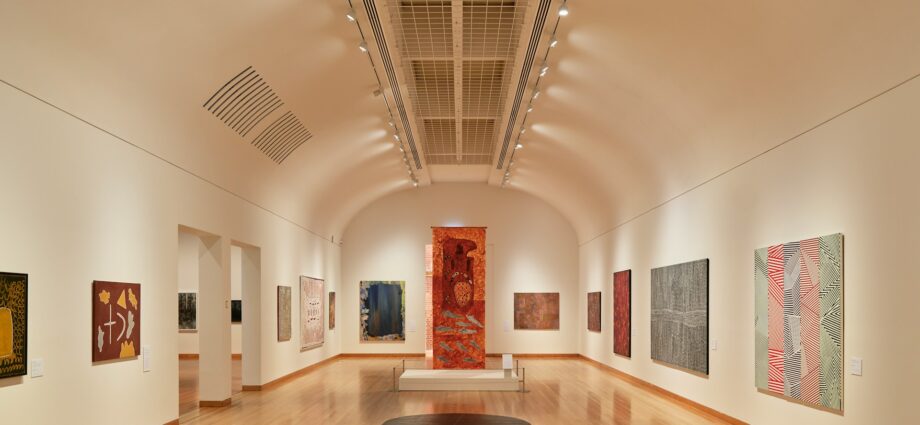
Art galleries across Coquitlam, Port Coquitlam, and Port Moody face a challenge many visitors never notice: keeping indoor air stable enough to protect artwork year-round. The Lower Mainland’s damp winters and warm summer stretches can quietly damage paintings, prints, and mixed-media displays if climate control is not planned properly. That’s why professional AC installation in the Tri-Cities area plays such an important role for gallery owners who want to protect their collections, support lenders’ requirements, and create a comfortable experience for guests during exhibitions and events.
Whether you operate a private gallery near Lafarge Lake, manage a community art space in Port Moody, or host rotating exhibitions in Port Coquitlam, reliable temperature and humidity control is part of running a professional display environment.
Why Temperature Control Matters for Artwork
Temperature affects more than comfort. It directly influences the structure and lifespan of artwork materials. Even small daily fluctuations can slowly weaken surfaces and framing components.
How Heat Causes Permanent Damage to Paintings and Mixed Media
When temperatures rise indoors, materials expand. As they cool, they contract. Over time, this cycle causes stress within artwork layers.
Common results include:
- cracking paint surfaces
- warped wooden frames
- weakened adhesives
- stretched canvas backing
- distorted mounting boards
These issues often appear gradually. By the time they become visible, restoration may already be necessary.
Sensitive Materials Common in Tri-Cities Gallery Exhibits
Many local galleries display a mix of traditional and contemporary work. Each material responds differently to heat exposure.
Examples include:
- oil paintings that develop surface cracking
- acrylic artwork that softens under higher temperatures
- photographic prints that fade faster in unstable environments
- paper-based sketches that ripple or curl
- textile installations that stretch or loosen
Because Tri-Cities galleries frequently host rotating community exhibitions, maintaining consistent climate conditions helps protect work from multiple artists at once.
Why Stable Cooling Matters More Than Just Comfort
Visitors may notice when a gallery feels warm, but artists and collectors notice something else: stability.
Consistent cooling supports:
- preservation standards expected in professional galleries
- requirements from lenders or collectors
- confidence when accepting traveling exhibitions
- long-term storage quality for permanent collections
Stable cooling also reduces restoration costs over time.
Humidity Risks in Lower Mainland Buildings
Humidity is often a bigger concern than temperature in the Tri-Cities area. Moisture levels shift quickly across seasons, especially near Burrard Inlet and forested hillside neighborhoods.
Seasonal Moisture Patterns in Coquitlam, Port Coquitlam, and Port Moody
Local buildings experience changing humidity conditions throughout the year:
- winter brings persistent outdoor moisture
- spring creates damp transitional air
- summer introduces warm humidity spikes
- fall returns extended rainfall periods
Without controlled indoor airflow, galleries absorb these seasonal swings.
What Excess Humidity Does to Artwork
Moisture affects almost every type of gallery material. Some damage appears quickly, while other changes develop slowly.
Typical humidity-related issues include:
- mold growth behind canvas surfaces
- curling paper artwork
- pigment breakdown
- corrosion on metal sculptures
- swelling wooden frames
Because many Tri-Cities gallery buildings include mixed-use commercial spaces or converted storefronts, humidity control becomes even more important.
Why Standard Residential Systems Often Fall Short in Galleries
Residential cooling systems are designed for comfort, not preservation. They usually lack the airflow precision needed for exhibition spaces.
Common limitations include:
- uneven cooling between rooms
- inconsistent humidity regulation
- limited filtration control
- insufficient airflow zoning
Professional systems designed during commercial AC planning address these challenges more effectively.
Ideal Climate Settings for Art Galleries
Maintaining the right indoor environment protects artwork and helps galleries meet professional display expectations.
Recommended Temperature Ranges for Artwork Protection
Most preservation guidelines suggest keeping gallery interiors between 18°C and 22°C. Just as important as the target temperature is stability.
Frequent changes of even two or three degrees can stress materials over time.
Recommended Humidity Levels for Gallery Environments
Relative humidity should generally remain between 45% and 55%.
If humidity drops too low:
- paper becomes brittle
- paint layers shrink
- adhesives weaken
If humidity rises too high:
- mold develops
- surfaces warp
- metals corrode
Maintaining balance protects a wide range of artistic materials.
Airflow and Filtration Requirements for Exhibition Spaces
Temperature alone is not enough. Air movement also affects preservation quality.
Effective gallery airflow supports:
- reduced dust buildup
- fewer airborne pollutants
- balanced ventilation between rooms
- quieter operation during events
Well-designed airflow also protects fragile installations placed near entryways or windows.
Signs Your Gallery Needs a Professional AC System Upgrade
Many gallery owners notice early warning signs before climate problems become serious.
Uneven Cooling Across Exhibition Rooms
If one room feels comfortable while another feels warm or damp, airflow zoning may be inadequate.
This is common in older retail spaces converted into galleries in central Coquitlam and Port Moody.
Condensation on Windows or Display Cases
Condensation indicates humidity imbalance. Over time, this moisture affects nearby artwork and framing materials.
Rising Energy Bills Without Better Climate Control
Older systems often run longer without delivering stable conditions. Higher utility costs usually signal aging equipment.
Visitor Discomfort During Events or Summer Openings
Warm gallery interiors shorten visit times. Comfortable environments encourage guests to stay longer and engage more with exhibitions.
Insurance or Loan Requirements for Climate Stability
Some lenders require proof of controlled indoor conditions before approving artwork transport or display. Upgrading climate systems helps galleries meet those expectations.
Ideal Gallery Climate Targets at a Glance
The table below summarizes common preservation guidelines used in professional exhibition environments.
| Climate Factor | Recommended Range | Why It Matters |
| Temperature | 18°C–22°C | Prevents expansion and contraction damage |
| Relative Humidity | 45%–55% | Reduces mold and material stress |
| Airflow | Even distribution | Protects all rooms equally |
| Filtration | Fine particle control | Limits dust accumulation |
| Stability | Minimal fluctuation | Supports long-term preservation |
These targets help galleries maintain consistent display quality throughout the year.
Choosing AC Installation in the Tri-Cities Area for Gallery Spaces
Selecting the right system involves more than choosing equipment size. Gallery layouts require planning that considers airflow patterns and lighting heat loads.
Why Commercial HVAC Experience Matters for Galleries
Professional installers understand how exhibition environments differ from offices or retail stores.
Gallery-focused systems support:
- humidity-controlled airflow
- quiet operation during openings
- zoning between display rooms
- compatibility with lighting systems
- stable temperature monitoring
Working with technicians familiar with local building conditions improves long-term performance.
Planning AC Installation Around Exhibition Layouts
Gallery interiors often include high ceilings, spotlight tracks, and flexible wall arrangements. These features affect cooling performance.
Installation planning typically considers:
- ceiling height variations
- track lighting heat output
- airflow direction near artwork
- placement of sculptures and display cases
Custom planning helps avoid hotspots and airflow shadows.
Energy-Efficient Cooling Options for Modern Art Spaces
Many Tri-Cities galleries are moving toward efficient systems that reduce operating costs while improving climate control.
Popular solutions include:
- ductless split systems for smaller galleries
- VRF systems for multi-room layouts
- programmable smart thermostats
- integrated humidity control ventilation
Energy-efficient upgrades are especially helpful in mixed-use heritage storefronts found in parts of Port Moody and Port Coquitlam.
Working With a Local Tri-Cities HVAC Installer
Choosing a contractor familiar with the region offers practical advantages.
Local specialists understand:
- Lower Mainland humidity patterns
- municipal permit expectations
- building styles common in the Tri-Cities
- seasonal climate swings affecting galleries
Professional AC installation in the Tri-Cities area also means faster service support if adjustments are needed after installation.
Protect Your Gallery Collection With Professional Climate Control
Running an art gallery in the Tri-Cities means balancing creativity with preservation. Stable indoor conditions help protect paintings, photography, sculptures, and mixed-media installations from preventable damage caused by heat and humidity changes. They also create a more comfortable space for visitors attending openings, workshops, and community exhibitions throughout the year.
If your gallery experiences uneven temperatures, rising humidity, or aging equipment, now is the right time to evaluate your climate system. A professionally planned installation supports both artwork protection and long-term operational reliability across Coquitlam, Port Coquitlam, and Port Moody.
Scheduling a climate control assessment today can help safeguard your collection before seasonal moisture shifts begin affecting indoor conditions.
